
Roof Leak Repair in Mesquite, TX
The stain on the ceiling is the finish line. The repair that lasts starts where the water first got in.
Call (972) 284-7124
Water lies about where it came from
Water is a traveler. It slips in at a nail pop or a split boot high on the roof, rides a rafter or the top of the insulation for ten or fifteen feet, and only then soaks through as a ring above the hallway. Patch the ceiling and the highway upstream stays open; the ring just comes back a shade darker after the next Dallas County downpour.
Closing a leak for good means working from the entry point down. The attic gets read with a flashlight for the water trail, the roof above gets checked at every penetration and seam uphill of the stain, and the actual opening gets rebuilt. The repair targets where water enters, and the photos prove it, so you are not paying twice for the same drip. If a storm opened the hole, the storm and hail page explains how a claim comes into it.
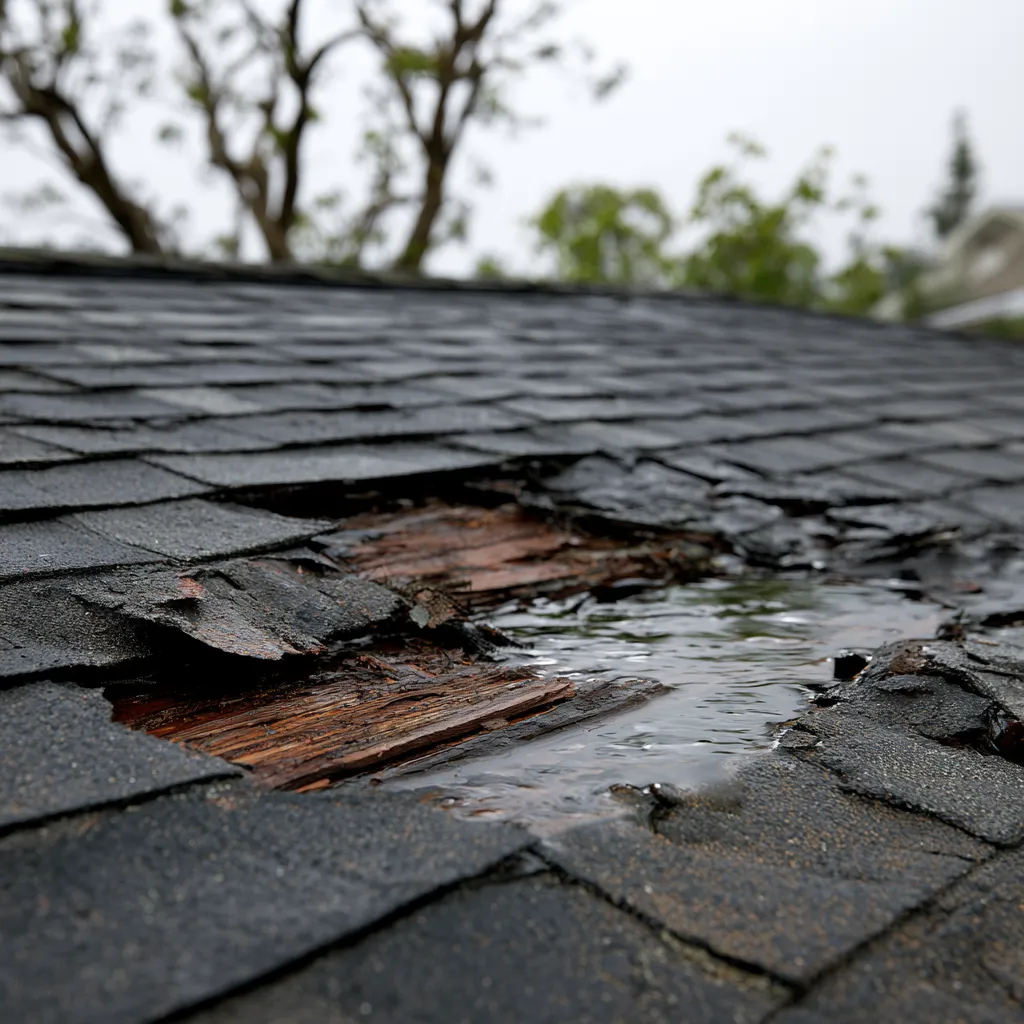
Where Mesquite leaks actually start
Almost never in the middle of a shingle field. The short list below covers most of the leaks east Dallas County produces.
- A plumbing vent boot with rubber split by years of Texas sun
- Chimney or wall flashing whose sealant finally dried and cracked
- A nail that backed out and lifted a shingle just enough
- Valley metal worn through where two slopes drain into one line
- A satellite mount or old antenna bolt that was never sealed right
- Wind-creased shingles from a spring front that broke the seal strip
Notice the pattern: hardware and joints, not the field. That is why the fix is usually surgical, and why a repair so often beats panic about a whole roof.
Finding a leak, step by step
A method, not a guess. The same sequence closes leaks on thirty-year-old ranches and five-year-old two-stories alike.
Read the attic
The water trail on the framing points uphill toward the entry, long before anyone touches shingles.
Confirm on the roof
Every penetration and seam above the trail gets checked close up until the opening is found and photographed.
Rebuild the entry
The failed boot, flashing, or shingle course is rebuilt in kind, along with any wood the water softened.
Verify it holds
The fix gets documented, water-tested where practical, and backed with a written workmanship promise.
Why this beats a patch kit
Anyone can stop water for a month. The point is stopping it for years.
Two-sided diagnosis
Attic first, roof second. Reading both sides of the deck is how the true entry gets found instead of the nearest suspicious shingle.
Rebuilt, not smeared
Sealant has a shelf life measured in seasons. Failed parts get replaced in kind, so the repair ages like a roof, not like caulk.
Priced before, proven after
A firm written figure up front, before-and-after photos when it is done, and the workmanship promise on paper. No mystery at either end.
What finding and fixing a leak costs
Most leak repairs are one-visit jobs priced well below what people fear, because the fault is usually a single part. The price moves with how far the water traveled before it was caught and whether any wood needs rebuilding along its path.
See full cost ranges- One entry point or several, confirmed on camera first
- Dry framing versus wood that needs cutting back to solid
- Roof height and pitch, which set the labor
- A storm cause, which can shift the cost to a claim
Leak questions, answered
The things Mesquite homeowners ask while watching a ceiling stain grow.
Close the leak at its source
Send the form now. Active leaks move to the front of the schedule, and the assessment that finds the entry point costs nothing.
Or call (972) 284-7124