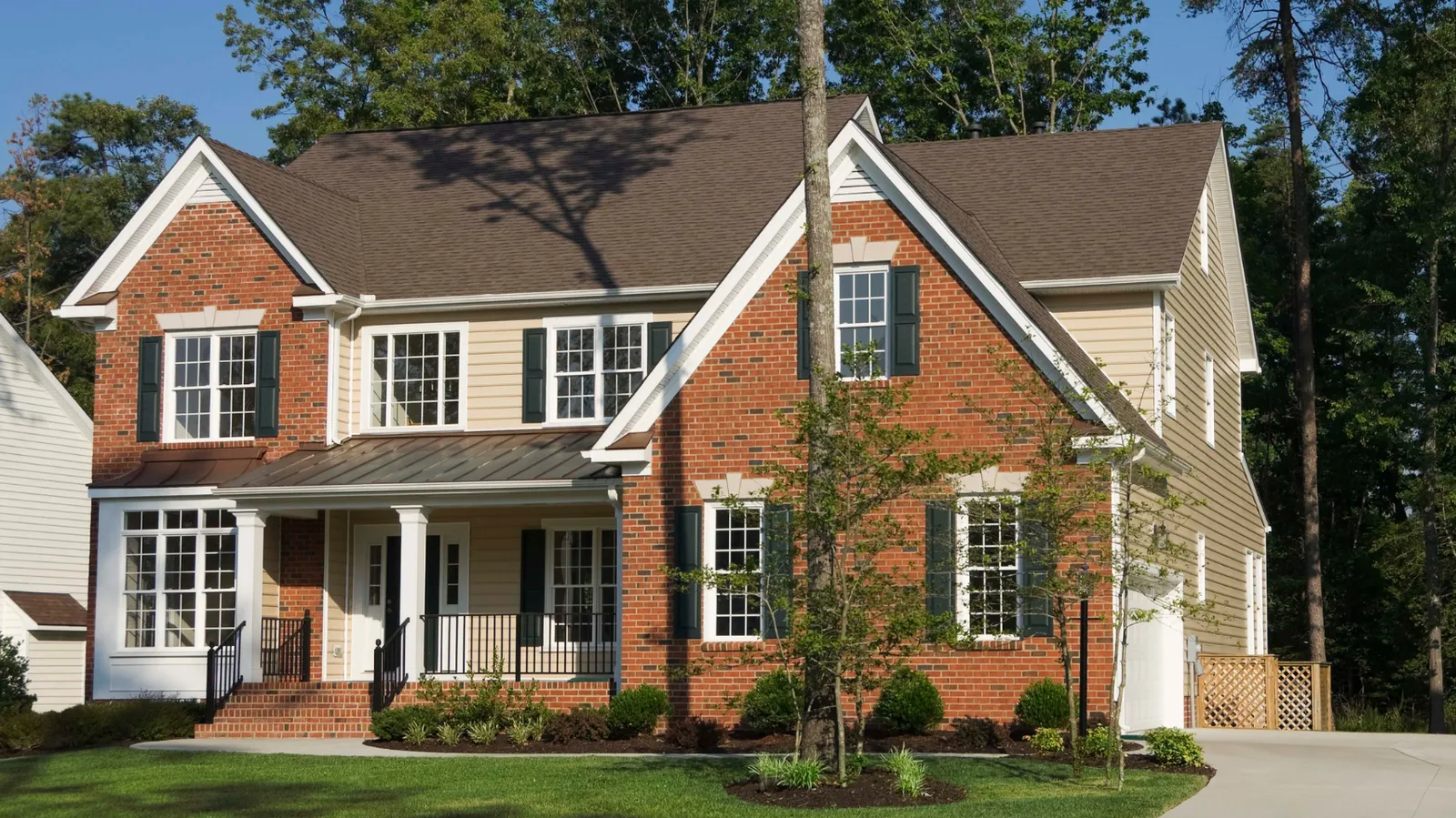
Commercial Roofing in Mesquite, TX
Flat roofs fail at seams and drains. Yours gets read there first, fixed around your hours, and papered like it matters.
Call (972) 284-7124
A flat roof is plumbing you walk on
A low-slope roof does not shed water; it manages it. That single fact decides everything about how one fails: at the seams where sheets meet, at the drains where the water queues, and at the curbs and pipes where equipment punches through the membrane. The wide-open field almost never starts the trouble.
So the assessment starts where the failures do. Seams, drains, penetrations, and edge metal get read first, ponding gets mapped, and the recommendation lands as a scope you can budget: a targeted repair, a coating that buys years, or a membrane replacement when the system is fully spent. Work gets sequenced around your business hours and your tenants, and the scope, price, and workmanship all go on paper, the same discipline as every residential job.
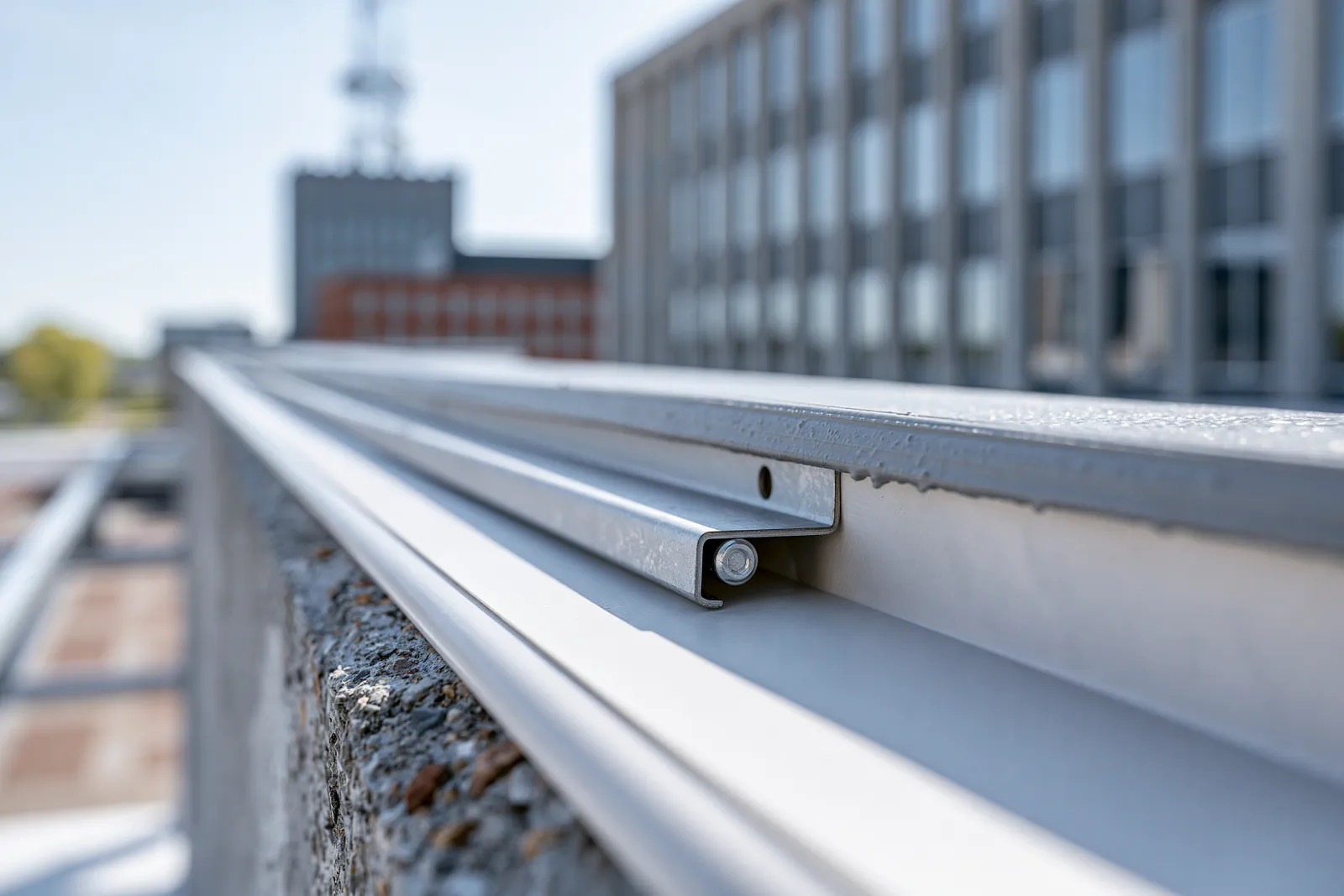
The commercial matrix: what gets read and fixed
Every low-slope assessment covers the same failure map, whatever the membrane. This is the matrix the quote is built from.
The scope sheet reads like this list with your building's numbers on it: what was found, what it needs, and what each line costs.
Seams and laps
The joints between sheets are the roof's stitching. Lifted, split, or fish-mouthed seams get heat-welded or patched to match the system.
Drains and scuppers
A blocked drain turns a roof into a pool. Drainage gets cleared, resealed, and re-flashed so water leaves on schedule.
Ponding zones
Water still standing two days after rain is eating the membrane. Low spots get mapped and corrected with the fix the roof deserves.
Penetrations and curbs
HVAC curbs, vents, and conduit are leak factories. Each gets re-flashed and sealed to its own detail, not a universal glob.
Edge metal and parapets
Wind grabs a flat roof at its edges first. Coping and edge metal get anchored and sealed against the next 80 mph gust.
The membrane verdict
TPO, EPDM, modified bitumen, or coated: the system gets identified and the repair matched to it, so patches bond instead of peeling.
How commercial work runs
Built to keep your operation open and your tenants dry while the roof gets right.
Assess in detail
Seams, drains, penetrations, and ponding mapped with photos, plus the attic-side or deck-side story where access allows.
Scope in writing
Repair, coat, or replace, each priced by line so you can budget and phase the decision.
Schedule around you
Nights, weekends, or section by section, sequenced so business hours stay business hours.
Paper the result
The finished work is photographed and the workmanship promise goes in the file with your scope.
Three ways forward on a flat roof
The right call depends on the membrane's age and how much life is actually left. All three get considered on every assessment.
Repair and reseal
Failed seams, flashing, and drains fixed on a roof with life left. Often the cheapest sound option of the three.
Restoration coating
A reflective coat over a sound membrane seals minor wear, cuts summer cooling load, and defers replacement years.
Membrane replacement
When the system is spent, a new membrane resets the roof and the warranty. Sequenced in phases when the business cannot pause.
You get the option the roof actually needs, with the cheaper path stated first when it truly holds.
Why building owners keep the number
Commercial work is judged over years, and the habits show.
Downtime treated as cost
The schedule is built around your operating hours from the first conversation, because a dry roof is not worth a closed till.
Matched to the membrane
TPO welds, EPDM bonds, and mod-bit torch work are different trades. The fix matches your system so it lasts instead of lifting.
Scopes a spreadsheet can read
Line-item pricing, phased options, and paper you can file with the building records. Budgeting a roof should not require translation.
Commercial roofing questions
What Mesquite building owners ask about flat and low-slope work.
Get the flat roof read properly
A detailed assessment, a line-item scope, and work scheduled around your hours. Tell the form about the building to start.
Or call (972) 284-7124