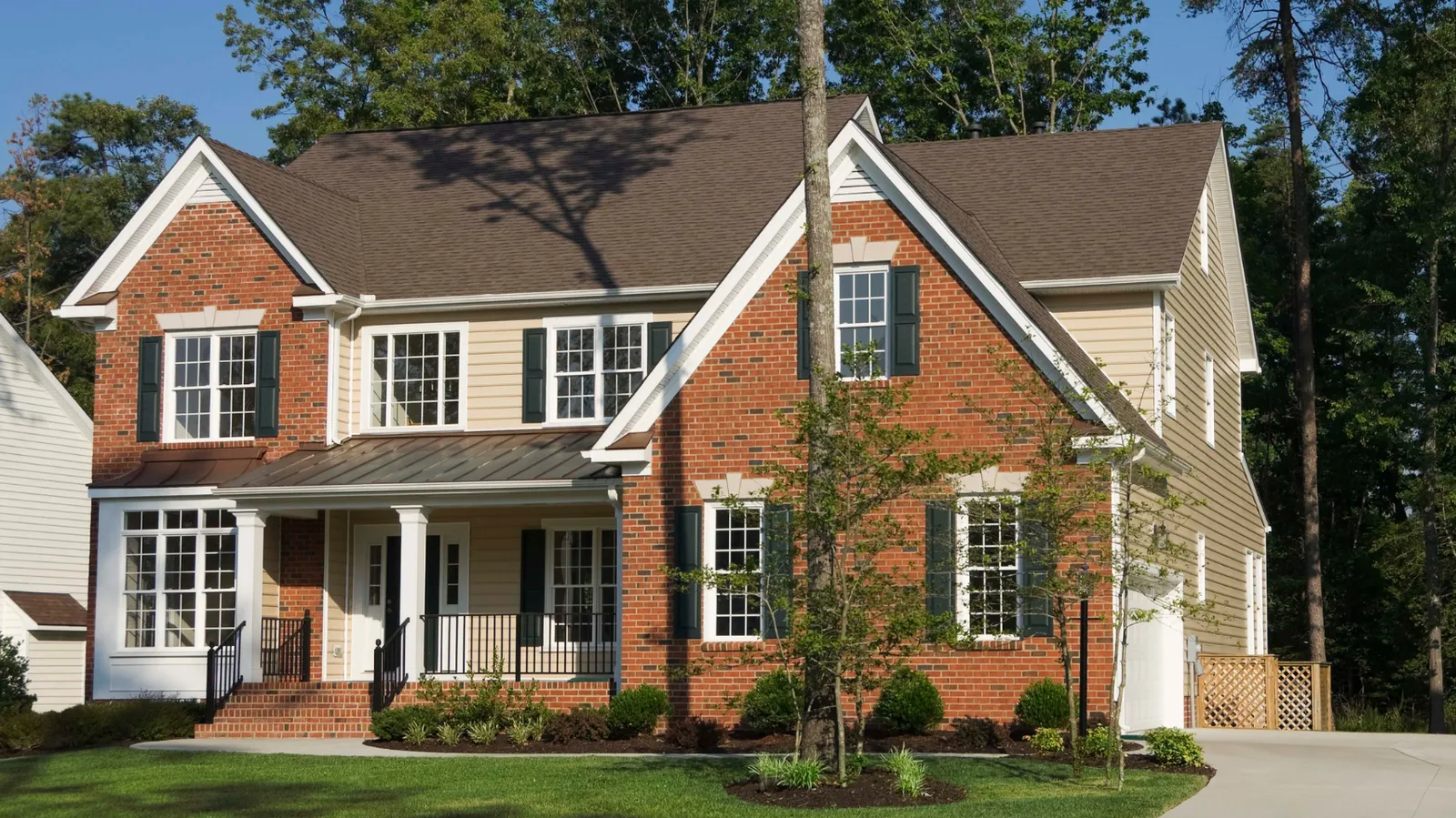
Chimney Flashing Repair in Mesquite, TX
Where the roof meets the brick is where older Mesquite roofs leak first. The metal gets rebuilt right, not buried in tar.
Call (972) 284-7124
Why chimneys leak before roofs do
A chimney is a wall punched through the middle of a roof, and the seam around it works harder than any shingle on the house. Brick and wood expand at different rates through a hundred-degree Texas summer, so the metal bridging them flexes daily for decades. On the mid-century homes that fill Mesquite's core neighborhoods, that metal is often original and long past tired.
The durable fix is layered metalwork: step flashing woven into the shingle courses, counter flashing cut into the mortar joint and lapped over it, and a cricket behind wide chimneys to split the water flow. A bead of roofing tar over the old metal is not a repair; it is a postponement that makes the eventual leak harder to find.
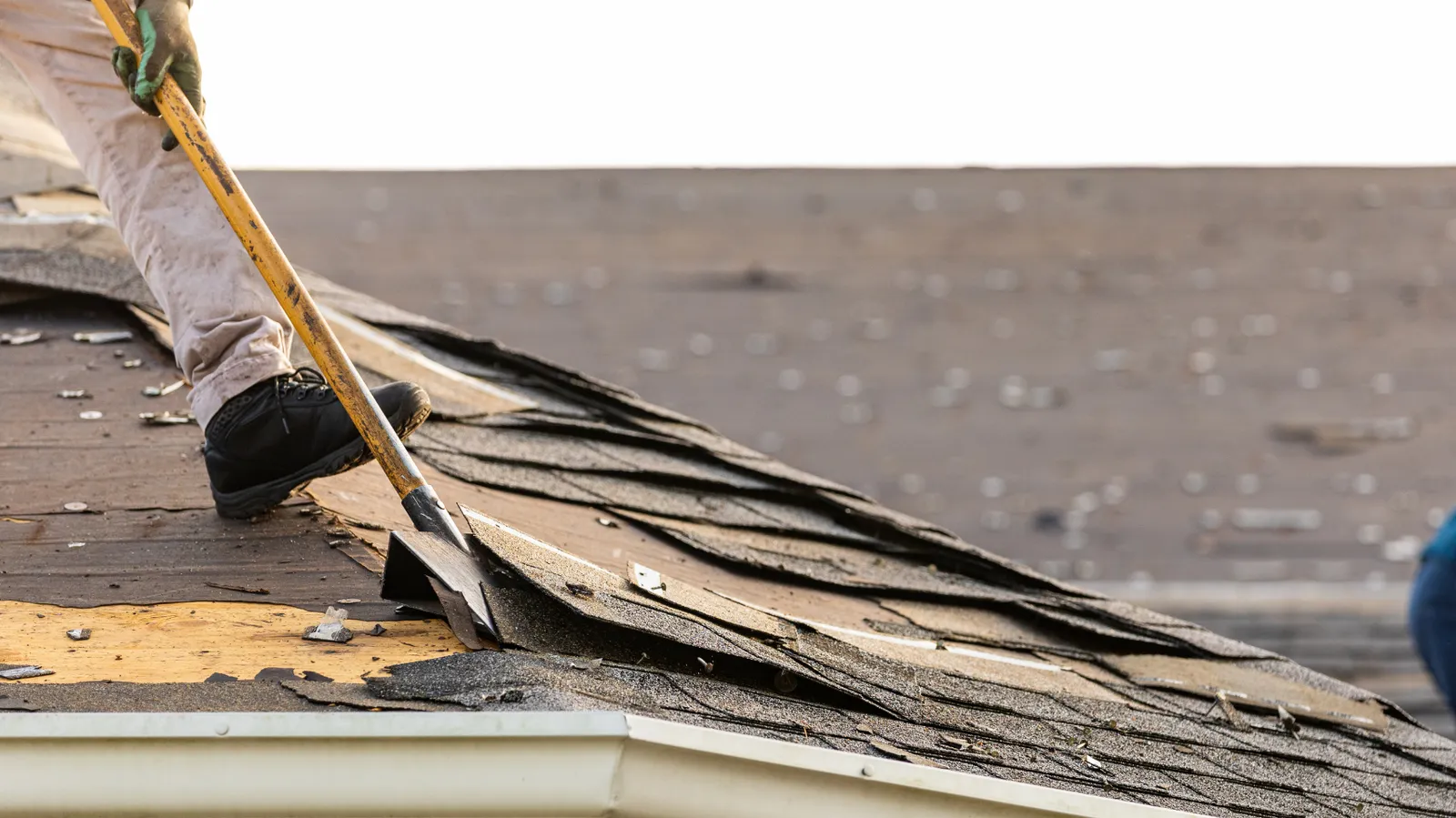
The flashing rebuild, piece by piece
Done in the order masonry demands, so the water sheds by geometry instead of depending on sealant.
Rebuilt this way, chimney flashing routinely outlasts the shingles around it. Priced in writing, backed in writing.
Old metal and tar off
Everything failed comes off down to clean brick and decking, including the tar archaeology of past quick fixes.
Step flashing woven in
Individual L-shaped pieces laced into each shingle course up the chimney side, the way the water actually climbs.
Counter flashing cut in
The top layer set into a ground mortar joint and lapped over the steps, so gravity does the sealing brick-side.
A cricket where needed
Wide chimneys get a small peaked diverter behind them, splitting the water that would otherwise pool against the brick.
Tells the flashing has let go
Chimney leaks announce themselves near the chimney, but not always right at it.
- Water stains on the ceiling or wall within a few feet of the chimney chase
- Damp brick or a white mineral bloom inside the fireplace after rain
- Visible tar smears around the chimney base, a previous owner's postponement
- Rust streaks running from the flashing line down the shingles
- Mortar joints above the flashing crumbling or gapped
- Loose or lifted metal you can spot from the ground at the roofline
Chimney leaks travel along framing, so the stain can land a room away. The assessment reads the whole path, free.
How the flashing job goes
Usually one visit, mostly metalwork, zero tar.
Read the seam
The flashing line, the mortar above it, and the attic below get checked and photographed.
Price the rebuild
A written figure for the metalwork, with any decking or mortar repair listed as its own line.
Build it layered
Steps woven, counter flashing set into the mortar joint, cricket added where the chimney is wide.
Prove it dry
Photos of the finished metalwork and the workmanship promise, on paper, before the crew leaves.
Metalwork over sealant, every time
The difference between a flashing repair and a flashing postponement.
Geometry does the sealing
Layered, overlapped metal sheds water by shape. Sealant-only fixes bake, crack, and quietly reopen by the second summer.
The mortar gets respected
Counter flashing is cut into a ground joint and the joint repointed, not glued to the brick face where it peels in a season.
Small job, full paper
Flashing work gets a written price first and a workmanship promise after, the same treatment as a full roof.
Flashing questions
What Mesquite homeowners ask about the metal around the chimney.
Get the flashing rebuilt right
A free look at the seam, a written price for real metalwork, and a chimney line that stops being the weak point of the roof.
Or call (972) 284-7124