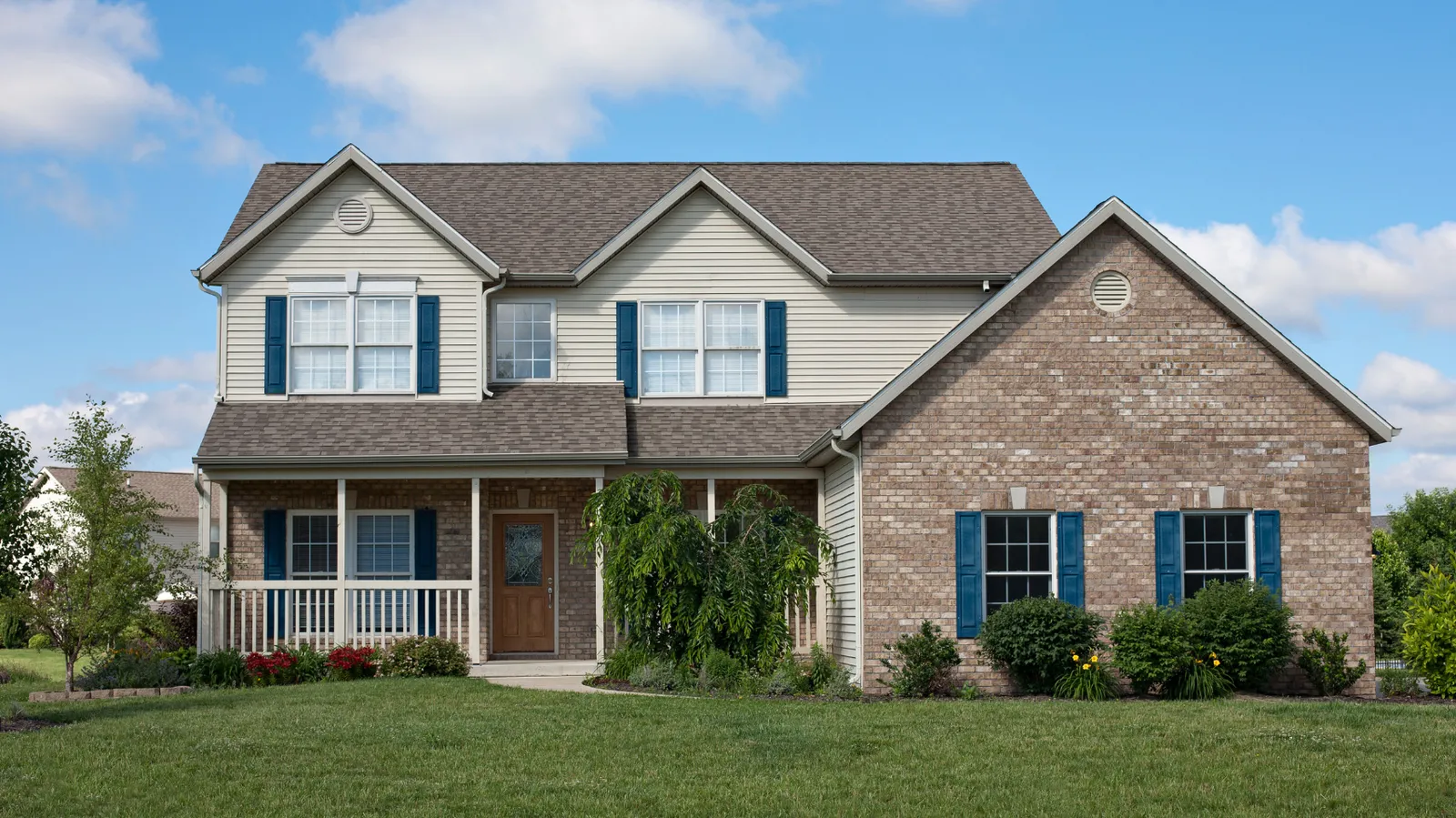
Mesquite grew up fast in the decades after the war, and whole neighborhoods of it were framed between the 1960s and the 1980s. Around the 75149 ZIP that covers the city's core, the median home dates to 1978. Houses of that generation carry roofs with real mileage, and their owners face the same recurring fork: pay for another repair, or stop and start over. Neither answer is always right, which is exactly why a framework beats a sales pitch.
The case for one more repair
Repair is the right call more often than the roofing industry likes to admit. If the decking is sound, the wear is even, and the trouble traces to one part, a boot, a flashing joint, one valley, one wind-worked slope edge, then a targeted fix buys real years at a small fraction of replacement money.
Age alone does not disqualify a roof. A thirty-year-old roof that was installed well, vented properly, and maintained along the way can pass a careful inspection that a neglected fifteen-year-old roof fails. Condition decides, and condition is checkable.
The tells that the repair era is ending
The pattern to watch is frequency and spread. One repair every few years in the same vulnerable spot is maintenance. A new leak every year in a new location is a roof failing system-wide, and each patch is rent paid on a building already condemned.
The other tells are physical. Granule loss showing as bald patches across whole slopes rather than even wear. Shingles that crack when lifted instead of flexing. Decking that feels spongy along walking lines. Hail strikes scattered across multiple slopes after a county storm. Two coverings already on the roof, which is the most Texas code allows, meaning the next job is a tear-off regardless.
- Repairs landing yearly, each in a new spot
- Bald patches and brittle, crack-prone shingles
- Spongy decking underfoot or daylight in the attic
- Hail wear across multiple slopes, not one
- Already at the two-layer code limit
Run the decade math, not the invoice math
The repair invoice always looks better than the replacement estimate, which is how homeowners end up spending replacement money one patch at a time. The true comparison runs over a decade: expected repairs and interior damage risk on the old roof, against the replacement cost amortized across the decades a new system lasts.
On a truly tired roof the decade math flips fast, and it flips faster in the hail belt, where an aged shingle takes storm damage that a newer one shrugs off. That interaction with insurance matters too: carriers increasingly pay older roofs on depreciated terms, so the last years of a tired roof are also its worst-insured years.
What an honest recommendation sounds like
Whoever inspects your older roof should be able to argue their recommendation from photographs you can see, name the repair option when it exists, and put both paths in writing with real figures. Anything else, urgency without evidence, replacement quoted without a repair conversation, is selling, not advising.
That standard is checkable on your own roof: the inspection is free, the photos are yours, and the verdict comes with its reasoning attached, whichever way it lands.
Facing the repair-or-replace fork on an older Mesquite roof? Get both paths priced in writing from a free documented inspection. Reach out through the contact page to start. Call (972) 284-7124